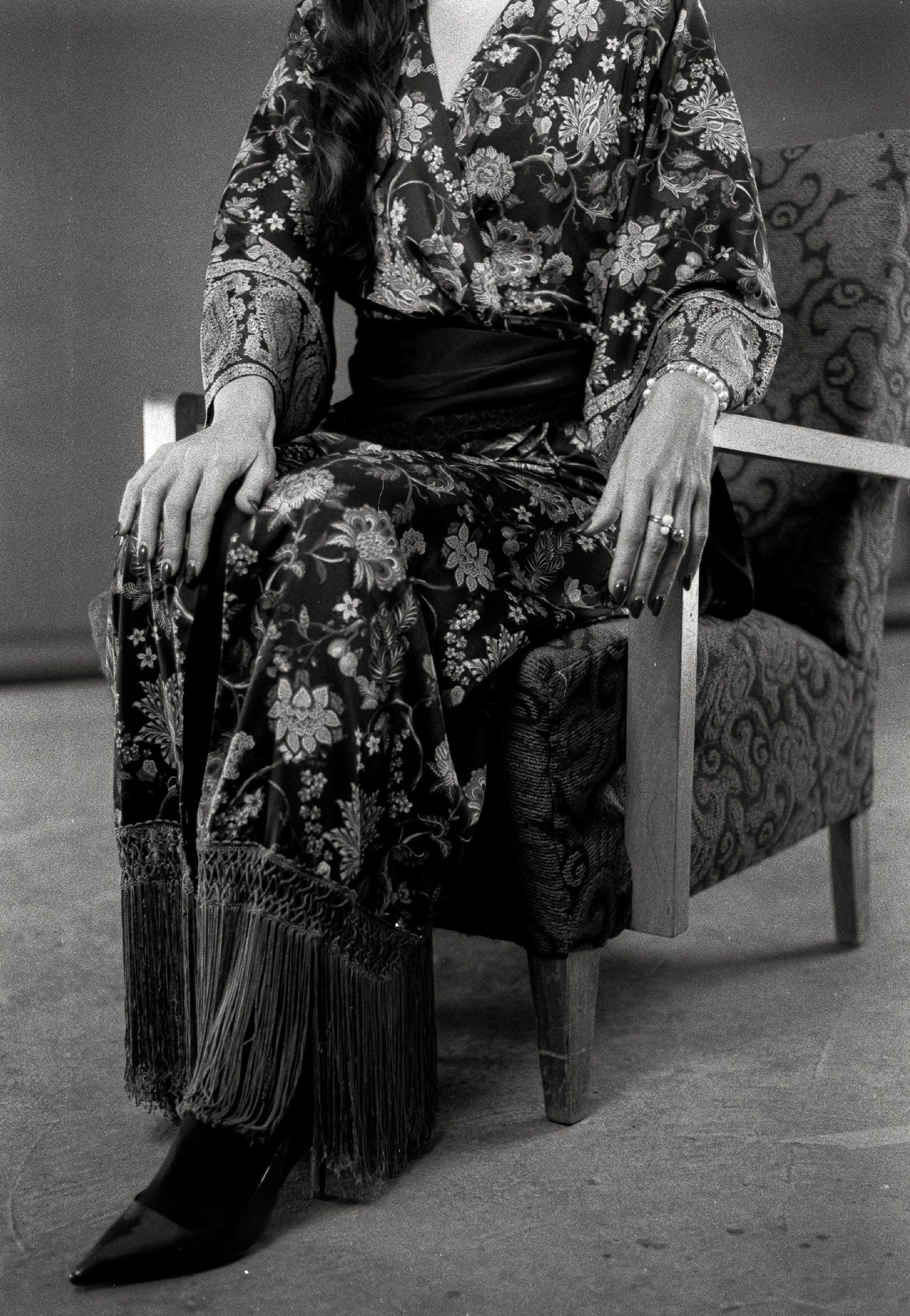
Espéria
Greek rebetiko & laïko from Budapest
Esperia is a collective of musicians based in Budapest, brought together by their shared enthusiasm for the traditional and urban music of Greece. Despite their diverse artistic backgrounds, the members are united in
their aim to authentically evoke the sound of classic Greek rebetiko ensembles, featuring bouzouki, guitar, accordion, and voice.
Esperia’s repertoire brings to life the key periods, moods, and stories of this globally known musical tradition. Through their performances, the band seeks to share the many colors of rebetiko—and all that it means to them.
”The songs we play were born in the first decades of the 1900s, performed with guitar, bouzouki, accordion, and voice – just as they are still most often heard today in small cafes and taverns all across Greece. Through songs written in an extremely direct way about the beauties and hardships of life, the rhythms of an old world linger in the present, carrying the heartfelt temperament of the people of the East and the Mediterranean.

Although Budapest is far from the Mediterranean Sea, on our events we bring it as close to you as possible through music and the stories connected to it. Moreover, we often organize events that passionately promote Mediterranean gastronomy alongside music, since enjoying these two treasures is an essential characteristic of Greek culture.”
The name
Esperia comes from the Ancient Greek word hespera (εσπέρα), meaning “Evening Star”— the first sign of light after darkness, symbolizing transitions between beginning and end, birth and death, hope and loss.
It reflects the essential human experiences that are traditionally marked by music in many cultures. The Evening Star is also a kind of spiritual compass, guiding both outward and inward journeys—just like music itself.
In cultural imagination, Esperia also refers to the distant West—the land of dreams, promises, and new possibilities.
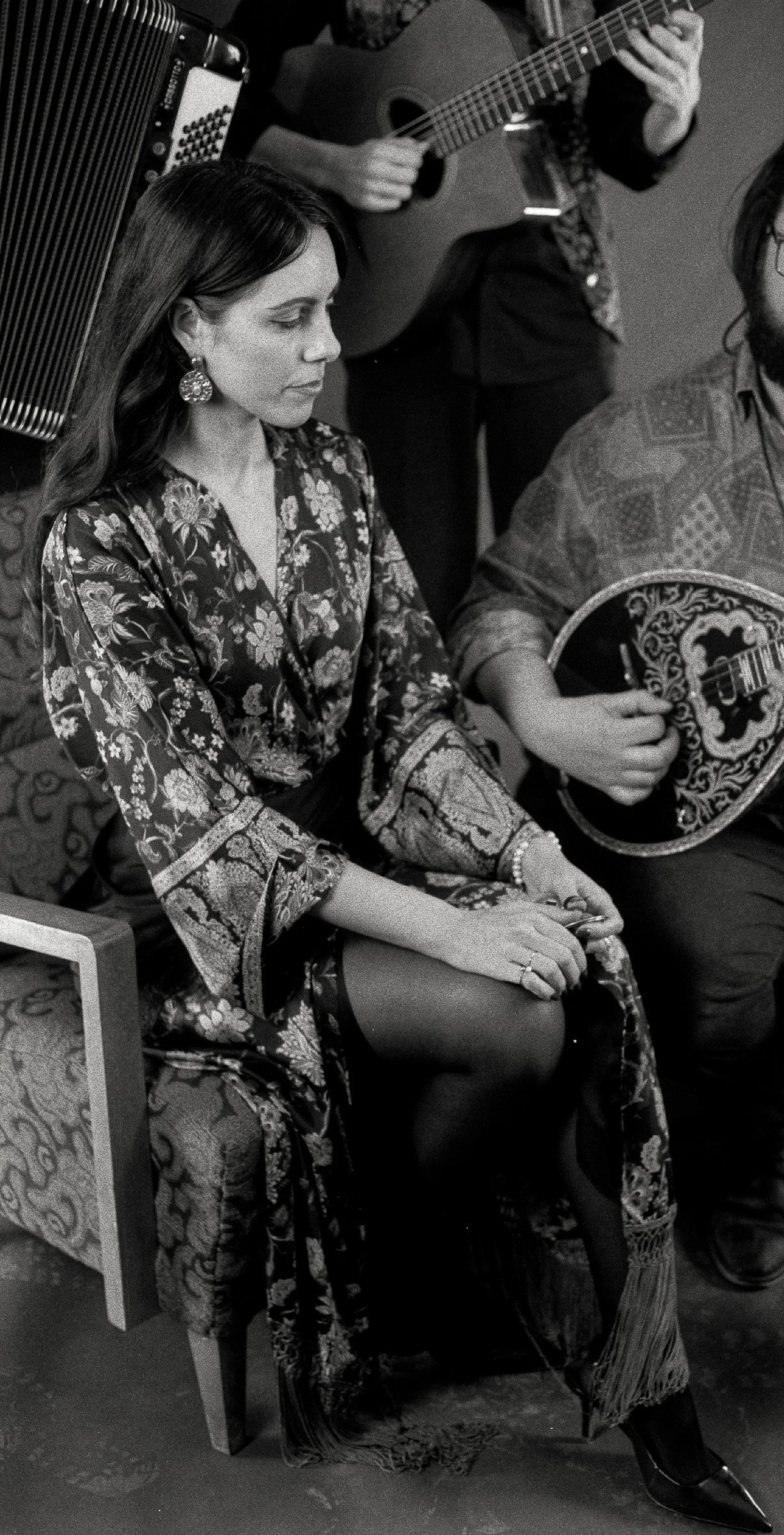
This symbolism is deeply intertwined with the world of rebetiko, which often explores the extremes of human experience: longing, exile, and hope. Over time, the spirit of rebetiko turned toward the West, yet it never severed ties with its Anatolian roots and musical codes, which continue to shape its essence. This duality is what gives Greek urban folk music its uniquely captivating character.
Members

Veronika Varga
lead vocals, zils
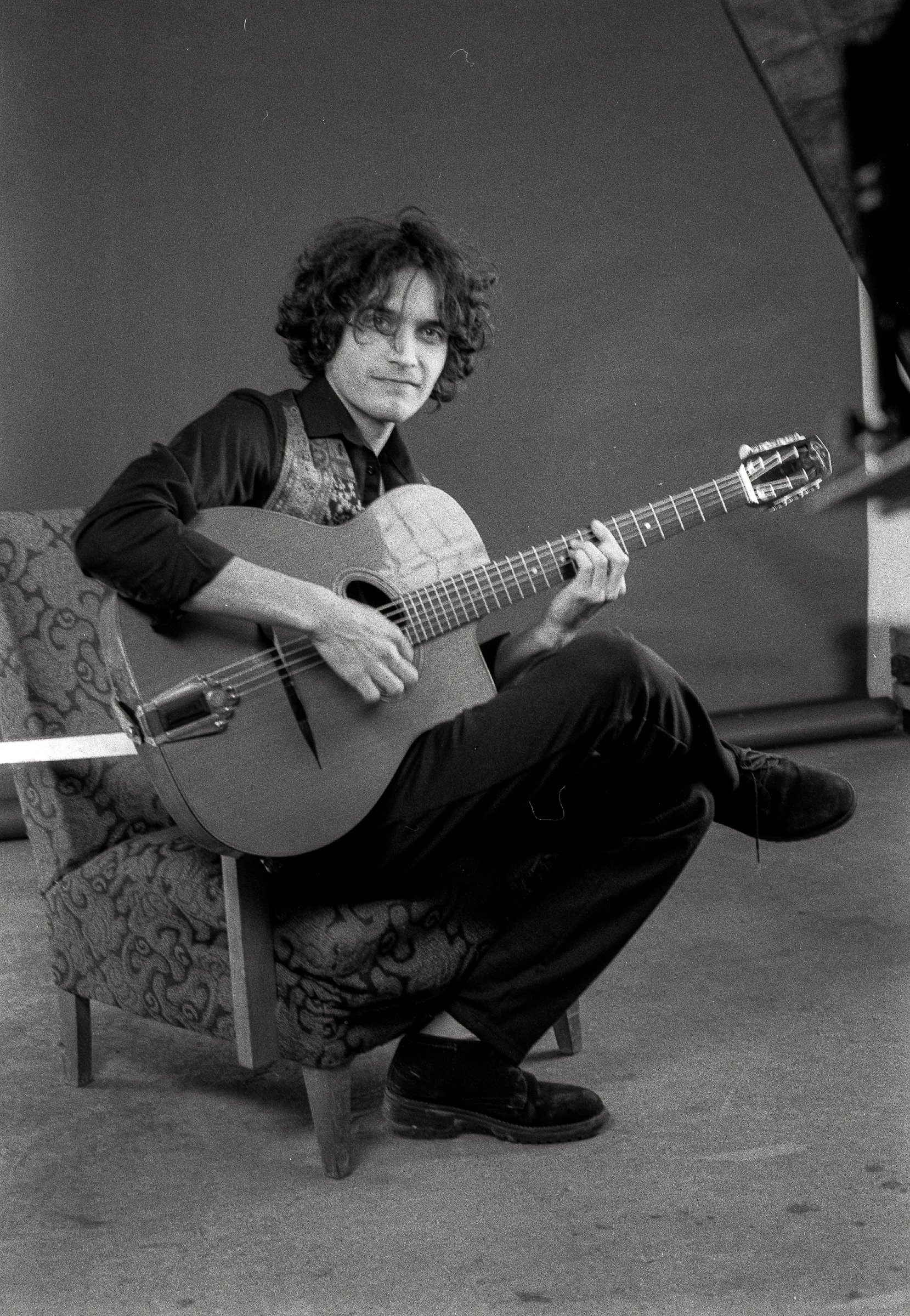
Caspar Thorpe
guitar, oud, vocals
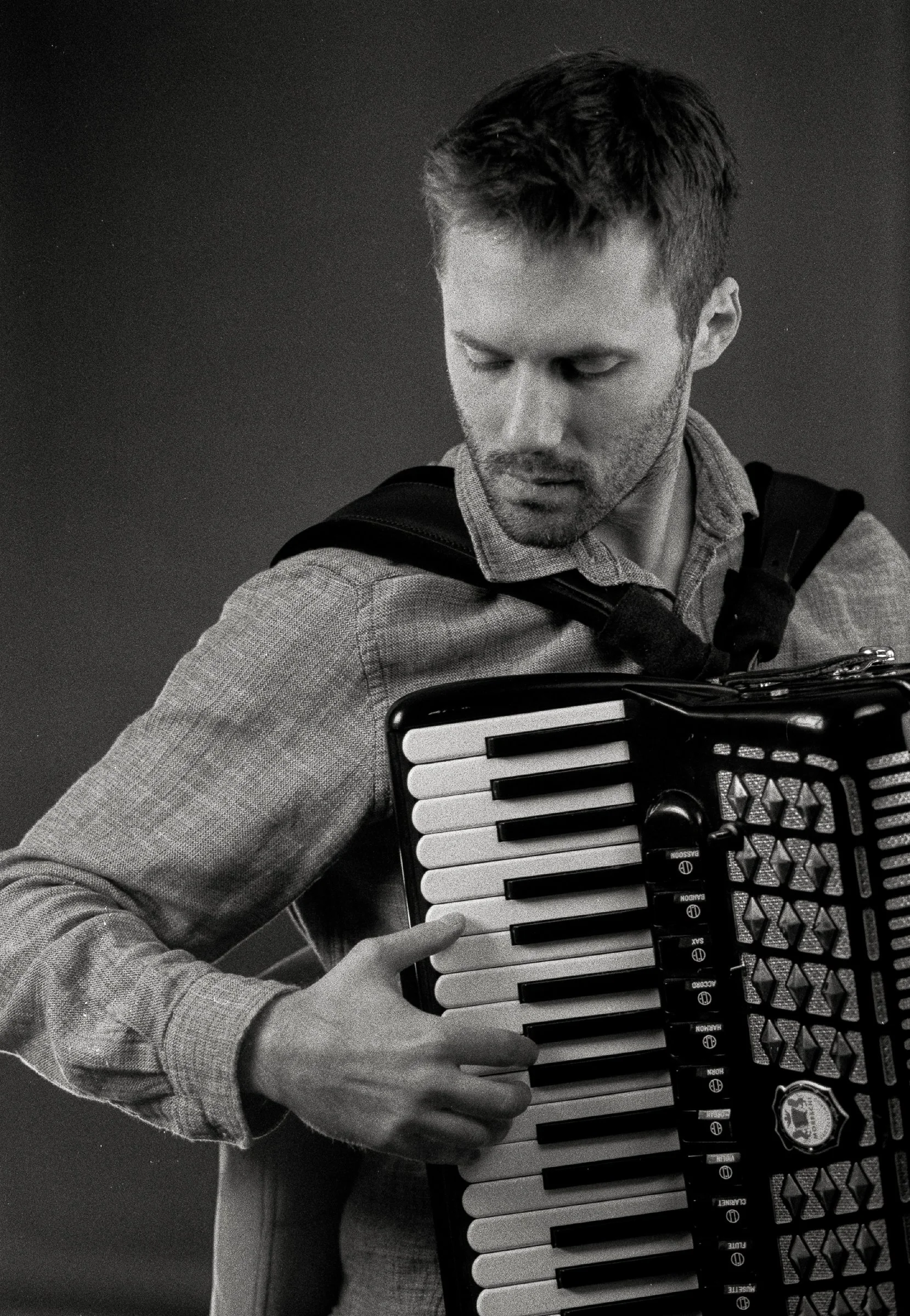
Benedek Réti
accordion
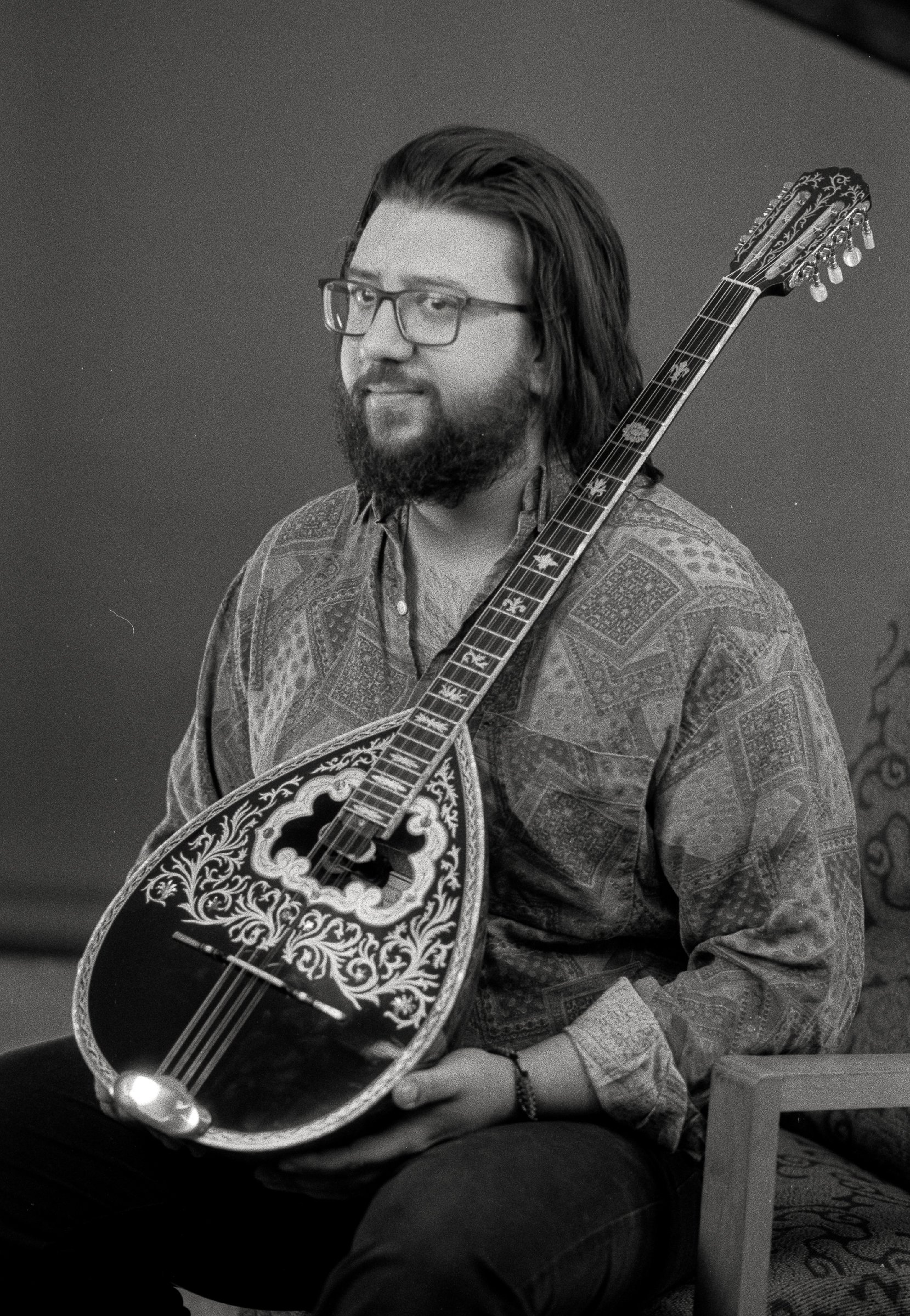
Nikolas Mantzourakis
bouzouki, guitar, vocals